Creating a Strong Classroom Culture
Technique 35: Props

What is Props?
Props is a strategy that exemplifies one way for students to receive praise from their teacher and fellow peers when they exceed standards set in the classroom or come up with an exceptional answer to a question. This is a nice way to motivate and encourage students to not shy away from the opportunity to take a chance and speak out in front of the class. When a student goes beyond the typical answer, or just generally does something above average, the teacher can give a signal word to the class, in which they reply with a very short (1-2 second) noise, hand gesture, or phrase that shows approval and appreciation to their classmate. With phrases such as, "Way to go, John!" "Nailed it!" "Ohhh yeahhh" or even "Boom goes the dynamite!" the teacher and students are giving their classmates praise that will boost their confidence and keep them interested in the lesson. As mentioned before, this strategy is not limited to verbal phrases. Some other examples of Props are handclaps, stomps, or snaps. Any way for a student to receive a quick boost of encouragement from his/her classmates can potentially create a tighter bond among peers and a better relationship with the instructor. By keeping this praise technique short and to the point, the teacher is not wasting any class time, but is still creating a strong, positive, and friendly classroom environment.
Props is a strategy that exemplifies one way for students to receive praise from their teacher and fellow peers when they exceed standards set in the classroom or come up with an exceptional answer to a question. This is a nice way to motivate and encourage students to not shy away from the opportunity to take a chance and speak out in front of the class. When a student goes beyond the typical answer, or just generally does something above average, the teacher can give a signal word to the class, in which they reply with a very short (1-2 second) noise, hand gesture, or phrase that shows approval and appreciation to their classmate. With phrases such as, "Way to go, John!" "Nailed it!" "Ohhh yeahhh" or even "Boom goes the dynamite!" the teacher and students are giving their classmates praise that will boost their confidence and keep them interested in the lesson. As mentioned before, this strategy is not limited to verbal phrases. Some other examples of Props are handclaps, stomps, or snaps. Any way for a student to receive a quick boost of encouragement from his/her classmates can potentially create a tighter bond among peers and a better relationship with the instructor. By keeping this praise technique short and to the point, the teacher is not wasting any class time, but is still creating a strong, positive, and friendly classroom environment.
Why Does This Work?
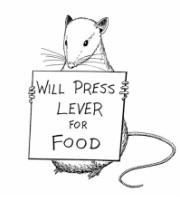
This strategy, along with boosting self-efficacy, can also be considered a form of positive reinforcement for the students. Props is a great way to increase the likelihood of students participating in class and have them thoroughly think through their answer before saying the first thing that comes to mind. If a student has an exceptional answer and receives props from his/her classmates, it is more likely that their behavior will increase. B.F. Skinner, a psychologist known as the “Father of Operant Conditioning,” conducted an experiment involving rats that supported his theory on positive/negative reinforcement/punishment that applies to our daily life, especially in the classroom. Skinner proved positive reinforcement by observing the rats he had a box learn how to push a lever in order to receive food pellets. In the same way that the rats pushed a lever to get food, students can answer well thought-out questions for a quick praise from their classmates. This positive reinforcement will boost morale, self-efficacy, and self-esteem in the classroom, which can be very beneficial to nearly every student.
This strategy, along with boosting self-efficacy, can also be considered a form of positive reinforcement for the students. Props is a great way to increase the likelihood of students participating in class and have them thoroughly think through their answer before saying the first thing that comes to mind. If a student has an exceptional answer and receives props from his/her classmates, it is more likely that their behavior will increase. B.F. Skinner, a psychologist known as the “Father of Operant Conditioning,” conducted an experiment involving rats that supported his theory on positive/negative reinforcement/punishment that applies to our daily life, especially in the classroom. Skinner proved positive reinforcement by observing the rats he had a box learn how to push a lever in order to receive food pellets. In the same way that the rats pushed a lever to get food, students can answer well thought-out questions for a quick praise from their classmates. This positive reinforcement will boost morale, self-efficacy, and self-esteem in the classroom, which can be very beneficial to nearly every student.
Specific Classroom Examples:
When considering what kind of Props strategy to use, it is essential to remember these five factors: ensuring it is quick, visceral, universal, enthusiastic, and evolving. In my classroom in particular, I would suggest giving a solitary clap when giving props to another student. I would ask my fourth grade class: “In the first story that we read from Sideways Stories from Wayside School by Louis Sachar, what are some possible ways that Mrs. Jewls could have better explained to Joe how he was counting wrong?” Then, after waiting an adequate amount of time so thorough answers could form, I would call on a student, Marlena, to answer the question. Marlena then would answer in a way possibly similar to this: “Mrs. Jewls could have sat down with Joe and explained how each number meant a different thing. These numbers follow in order to make sense.” With an answer like that, I would likely reply with “That’s clap worthy!” This is my signal for students to clap one time, simultaneously to give props to their peer, Marlena. This single clap follows the requirements mentioned in the Teach Like A Champion book. It is quick; my signal to the class takes less than three seconds, as does their response (the single clap). The clapping is visceral, which means it relies on movement or sound, particularly percussion. The expectation of the students clapping is that it is universal, which means everyone is expected to do it. It is the teacher’s responsibility to make sure everyone is doing it. If my students are not all clapping, we will do it again until everyone is doing it. Eventually, everyone will do it without repetition. The single clap, along with my cue, is enthusiastic. It gives the students a quick mental break without taking so long that they lose their train of thought. Lastly, the clapping Props method can be easily evolved. Giving the students a chance to choose how they can change up the single clap allows them to feel involved in the process and excited to participate in the Props strategy each and every time they give or receive it.
Click here or here to see more examples of Props strategies.
When considering what kind of Props strategy to use, it is essential to remember these five factors: ensuring it is quick, visceral, universal, enthusiastic, and evolving. In my classroom in particular, I would suggest giving a solitary clap when giving props to another student. I would ask my fourth grade class: “In the first story that we read from Sideways Stories from Wayside School by Louis Sachar, what are some possible ways that Mrs. Jewls could have better explained to Joe how he was counting wrong?” Then, after waiting an adequate amount of time so thorough answers could form, I would call on a student, Marlena, to answer the question. Marlena then would answer in a way possibly similar to this: “Mrs. Jewls could have sat down with Joe and explained how each number meant a different thing. These numbers follow in order to make sense.” With an answer like that, I would likely reply with “That’s clap worthy!” This is my signal for students to clap one time, simultaneously to give props to their peer, Marlena. This single clap follows the requirements mentioned in the Teach Like A Champion book. It is quick; my signal to the class takes less than three seconds, as does their response (the single clap). The clapping is visceral, which means it relies on movement or sound, particularly percussion. The expectation of the students clapping is that it is universal, which means everyone is expected to do it. It is the teacher’s responsibility to make sure everyone is doing it. If my students are not all clapping, we will do it again until everyone is doing it. Eventually, everyone will do it without repetition. The single clap, along with my cue, is enthusiastic. It gives the students a quick mental break without taking so long that they lose their train of thought. Lastly, the clapping Props method can be easily evolved. Giving the students a chance to choose how they can change up the single clap allows them to feel involved in the process and excited to participate in the Props strategy each and every time they give or receive it.
Click here or here to see more examples of Props strategies.
